Table Of Contents
DIY Mold Removal vs. Professional Remediation
DIY mold removal can be a viable option for small infestations. Homeowners often take this route to save money and control the process themselves. Basic supplies such as bleach, soap, and water are commonly used to treat moldy surfaces. However, individuals must be cautious when tackling larger mold issues. If the infestation spreads beyond a few square feet, it is generally advisable to seek professional help.
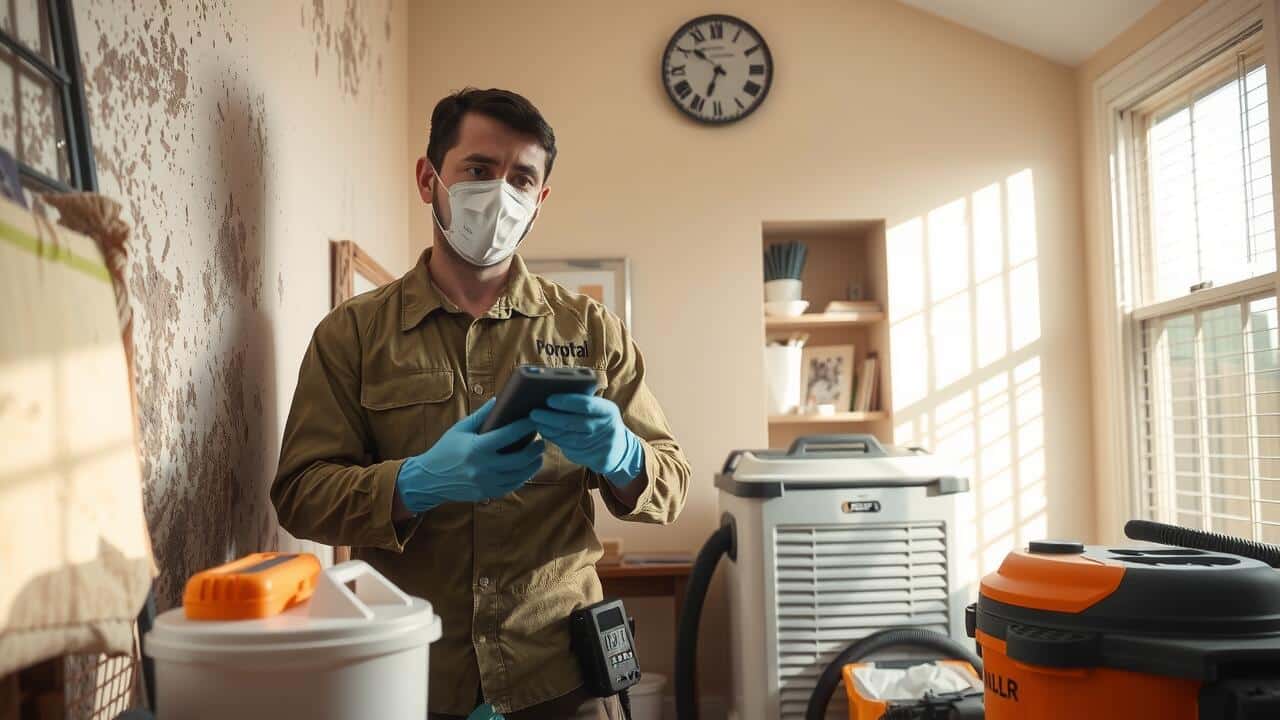
Professional mold remediation offers a thorough and comprehensive approach to addressing mold problems. Certified specialists possess the knowledge, tools, and expertise needed to handle significant infestations safely and effectively. They employ advanced techniques to identify the source of moisture and prevent future growth. Many people search for “Mold Remediation near me” when they need assistance, highlighting the importance of accessibility to professional services in dealing with more severe mold situations.
Pros and Cons of Each Approach
DIY mold removal can be an appealing option for homeowners looking to save money or tackle small infestations themselves. Many people have success with basic cleaning products that claim to eliminate mold. The convenience of readily available supplies is a strong point. However, this approach has its drawbacks. Homeowners may not have the expertise to identify all affected areas or the potential dangers associated with certain types of mold. Improper removal can lead to spores becoming airborne, which poses health risks and may worsen the problem.
Professional mold remediation offers a thorough and safer alternative. Trained specialists have the tools and knowledge to identify the extent of the mold issue and ensure that it is effectively handled. They follow detailed protocols to prevent further contamination and protect the home’s occupants. Despite their expertise, the cost of hiring professionals can be a deterrent for some. Homeowners searching for “Mold Remediation near me” may find varying prices and service quality, making it essential to choose a reputable service provider.
Common Mold Types Found Indoors
Indoor spaces can foster several types of mold, with some being more common than others. Stachybotrys chartarum, commonly known as black mold, thrives in damp, humid environments. This mold is notorious for its potential health risks, including respiratory issues and allergic reactions. Another common type, Aspergillus, can be found both indoors and outdoors. While some species of Aspergillus are harmless, others may produce mycotoxins, posing health risks to vulnerable populations.
Identifying the type of mold present in a home is crucial for effective removal or remediation. Cladosporium can often be found in damp areas like bathrooms or kitchens, while Alternaria prefers cooler environments, such as air conditioning systems. When dealing with mold issues, searching for “Mold Remediation near me” can help locate professionals equipped to handle the specific type of mold and the extent of the problem effectively. Understanding these common types of indoor mold can aid homeowners in taking the appropriate steps toward maintaining a safe living environment.
Identifying Problematic Mold Species
Identifying problematic mold species is crucial for effective management and prevention. Common indoor molds, such as Stachybotrys chartarum, often known as black mold, can pose serious health risks. Other species like Aspergillus and Penicillium are frequently found in damp areas. Recognizing these molds can help homeowners take appropriate measures. Testing or visual identification is often the first step toward addressing a mold issue.
For those unsure about the specific types of mold present, seeking professional assistance is advisable. Many companies specialize in mold testing and can provide guidance on what to do next. Using search terms like “Mold Remediation near me” can connect individuals with local experts. These professionals can offer thorough inspections and tailored solutions based on the species identified, ensuring a safer living environment.
Preventative Measures Against Mold Growth
Maintaining a dry environment is one of the most effective ways to prevent mold growth. Regularly check areas prone to moisture, such as basements, bathrooms, and kitchens. Repair leaks promptly to minimize excess water. Proper ventilation helps reduce humidity levels, especially during hot, humid weather. Using exhaust fans in bathrooms and kitchens can also aid in keeping the air dry.
Regular cleaning practices are essential for mold prevention. Utilize mold-resistant products when possible, particularly in high-moisture areas. Ensure that your home is well-ventilated and free from clutter, which can trap moisture. Even with preventative measures in place, some situations may require professional help. If you suspect a significant mold issue, search for “Mold Remediation near me” to find qualified specialists who can address the problem promptly.
Best Practices for Mold Prevention
Regularly controlling humidity levels is essential in preventing mold growth. Homeowners should maintain indoor humidity below 50% through proper ventilation and the use of dehumidifiers, especially in areas like basements and bathrooms. Fixing leaks promptly and ensuring adequate airflow around windows and doors can significantly reduce moisture accumulation.
Routine inspections in vulnerable areas can help catch mold issues before they escalate. Clean and dry any spills or water damage immediately. Keeping gutters clear and ensuring water flows away from the foundation also minimizes the risk of indoor mold. For those seeking professional help, searching for “Mold Remediation near me” can provide access to local experts equipped to handle significant mold challenges.
FAQS
What is the main difference between mold removal and mold remediation?
Mold removal refers to the process of physically removing mold from surfaces, while mold remediation is a more comprehensive approach that involves not only removal but also addressing the underlying causes of mold growth, ensuring that the mold does not return.
Can I handle mold removal on my own?
While DIY mold removal is possible for small areas, it is often recommended to consult professionals for larger infestations or toxic mold types to ensure safety and thorough remediation.
What are the risks of not addressing mold properly?
Failure to properly address mold can lead to health issues, structural damage to the property, and the potential for the mold to spread to other areas.
How do I know if I need professional mold remediation?
If you discover extensive mold growth, experience health symptoms related to mold exposure, or find mold in areas that are difficult to access, it is advisable to seek professional help.
What preventative measures can I take to avoid mold growth in my home?
To prevent mold growth, maintain low humidity levels, ensure proper ventilation, fix leaks promptly, and regularly clean and inspect areas prone to moisture, such as bathrooms and basements.


